



Salt air
Within a few miles of the ocean, the Intracoastal or the St. Johns River, salt corrodes coils and connections. Ask about coil coatings or corrosion resistant options, and plan on yearly coil checks and rinsing.
A new central air conditioner or heat pump in Jacksonville typically costs about $5,200 to $8,500 installed for common 2 to 4 ton systems. Between humidity, salt air and a utility rebate program that rewards the right equipment, the details of the choice matter.
We size the system to your home, handle the permit, and give you the options and prices before you commit. Emergency service is available 24/7.
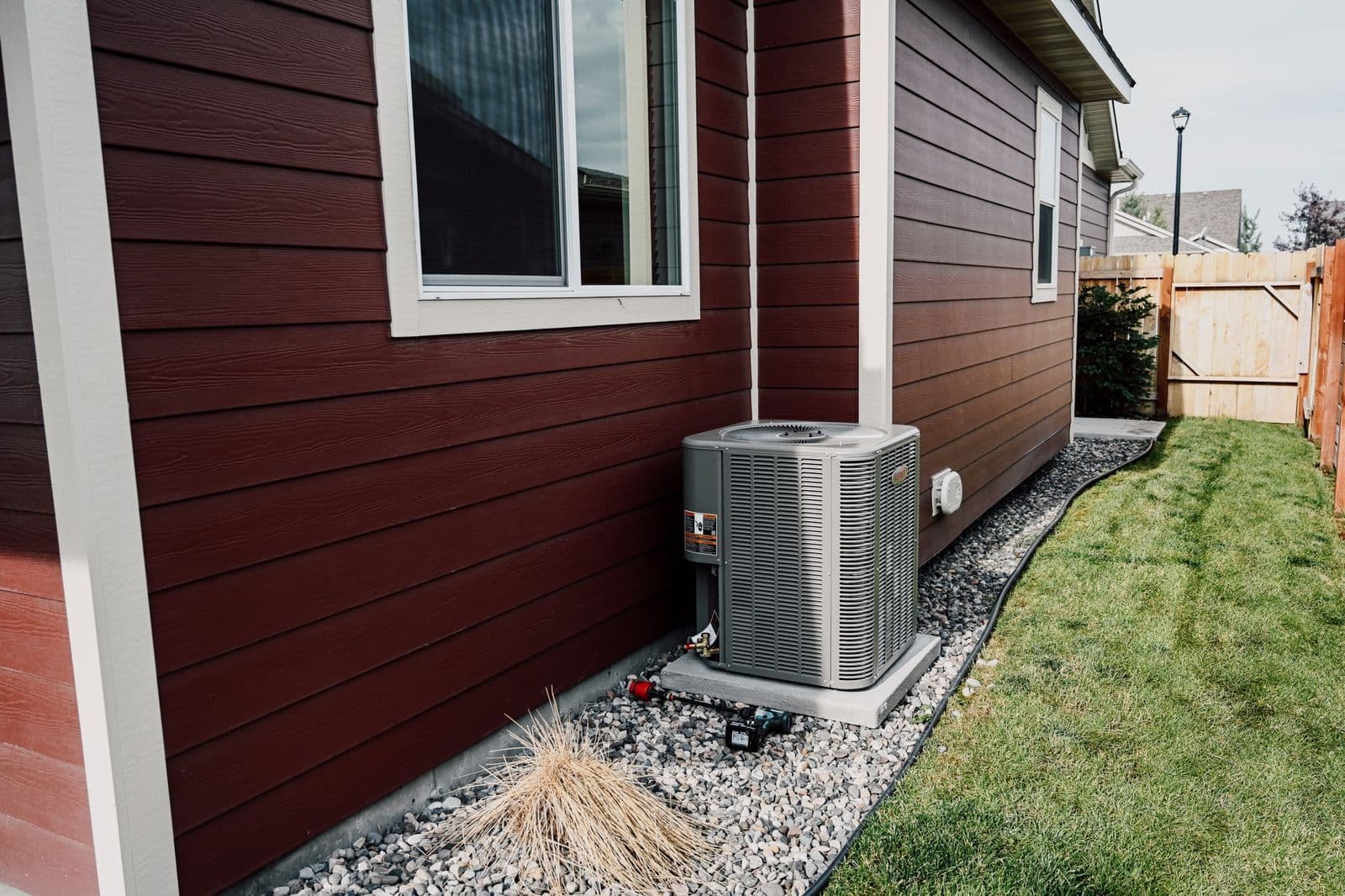
Average installed prices in Jacksonville from our pricing guide are about $5,200 for a 2 ton system, $6,800 for a 3 ton and $8,500 for a 4 ton. The size table and brand comparison are in our AC installation pricing guide.
Heat pump systems cost a little more, as shown in our heat pump installation guide.
| System size | Typical home size | Jacksonville average installed |
|---|---|---|
| 2 ton | 1,000 to 1,400 sq ft | $5,200 |
| 3 ton | 1,800 to 2,200 sq ft | $6,800 |
| 4 ton | 2,600 to 3,200 sq ft | $8,500 |
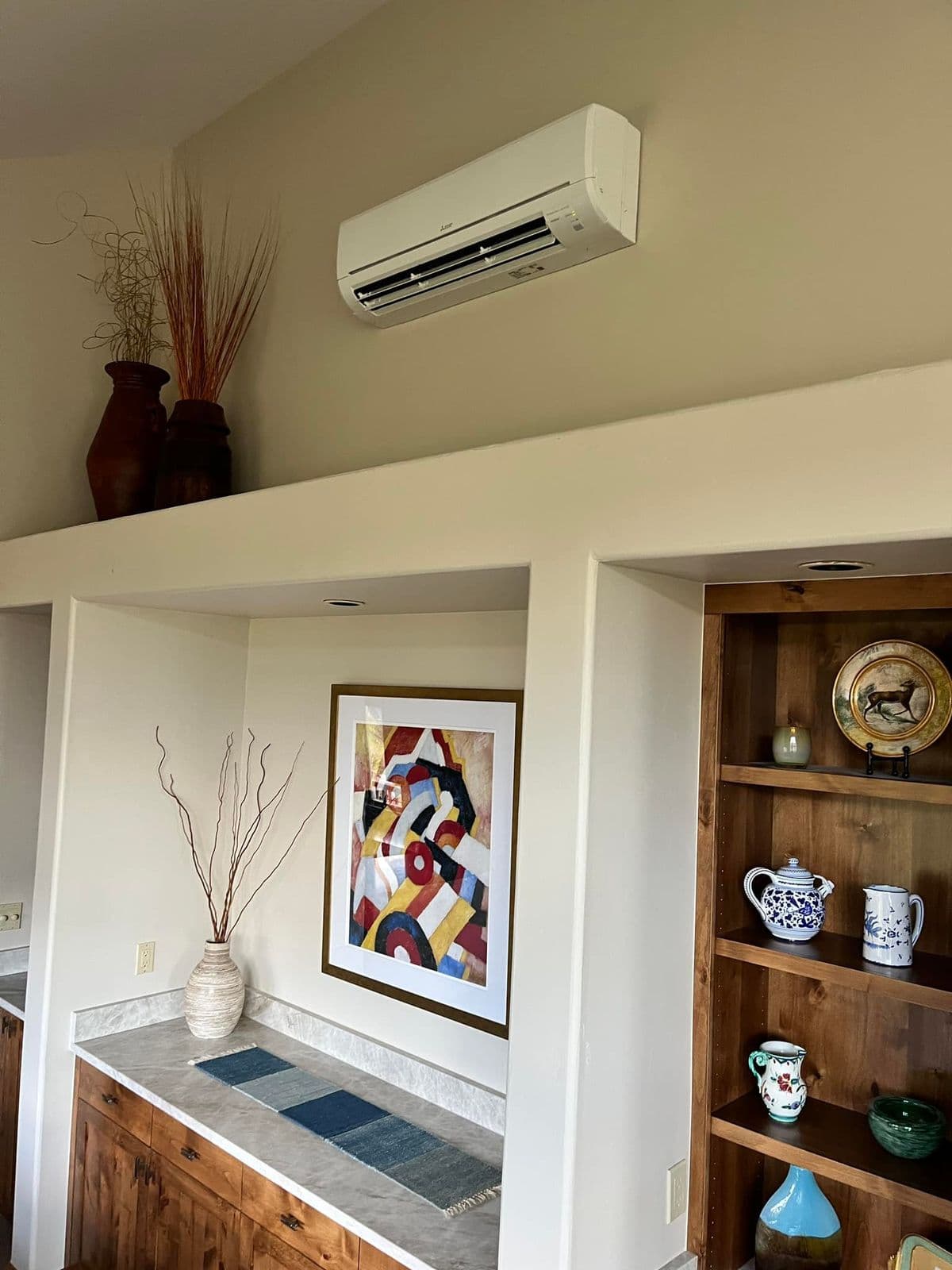
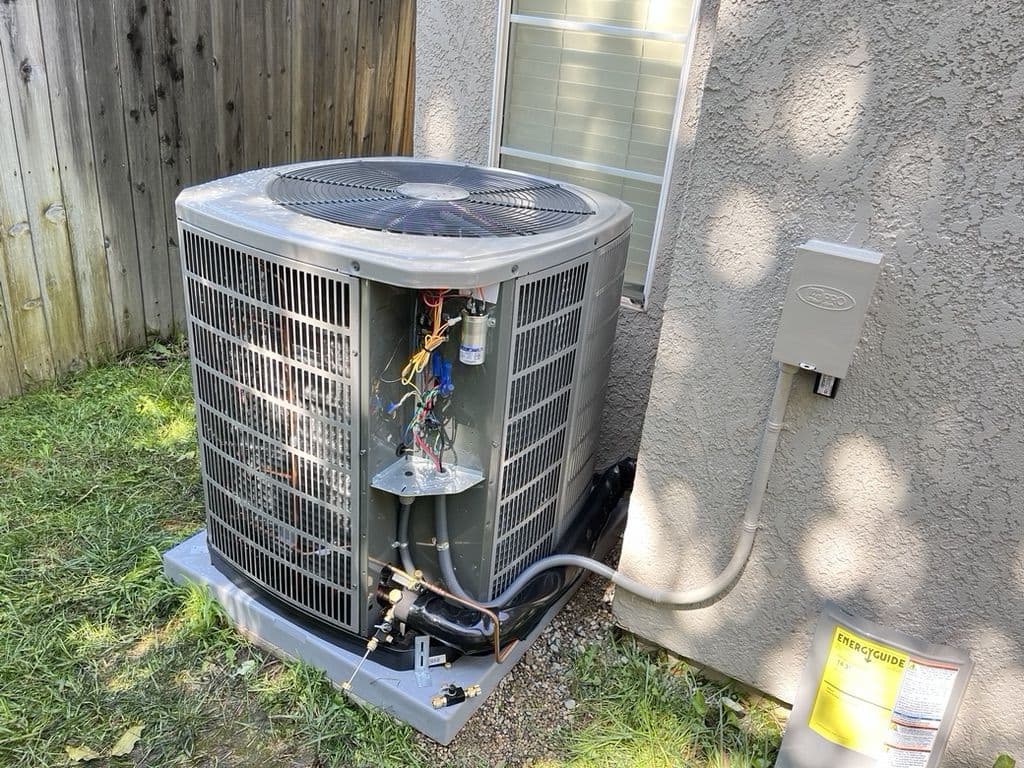
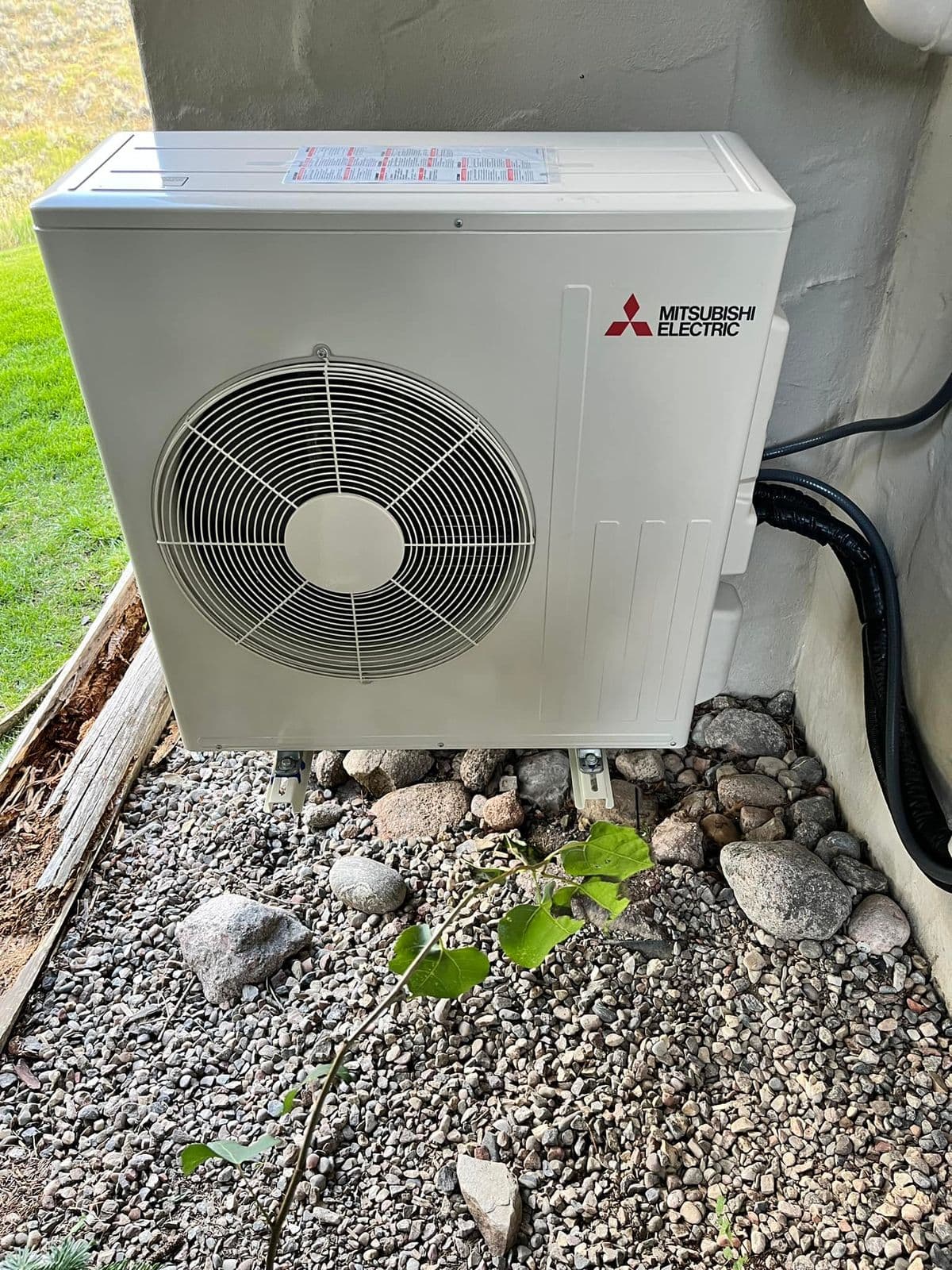
Replacement is worth pricing when several of these apply:
No single item decides it. We weigh age, what failed, repair history, efficiency and comfort together and show you the repair price next to the replacement price.
Bigger is not better in a humid climate. An oversized system cools the air quickly and shuts off before it has removed much moisture, so the house is cool and clammy and the equipment starts and stops too often.
The right size comes from your home: floor area, layout, insulation, windows, shade and ducts. It does not come from the old unit's label.
Variable speed (inverter) systems run longer at lower speeds, which tends to give steadier temperature and better moisture removal. They cost more, two stage models sit in the middle, and single stage systems cost the least.
We show the options with prices.
Within a few miles of the ocean, the Intracoastal or the St. Johns River, salt corrodes coils and connections. Ask about coil coatings or corrosion resistant options, and plan on yearly coil checks and rinsing.
If your home is in a flood zone or has flooded before, ask us about raising the outdoor unit on a stand so it sits above likely water.
Outdoor equipment has to be anchored to meet Florida's wind requirements. It is part of a proper install, not an extra.
A properly sloped drain, a reachable cleanout and a safety float switch or secondary pan protect your ceilings. For attic installations, the code generally requires it.
Jacksonville has large areas of older housing in Riverside, Avondale, Ortega and San Marco, where homes from the 1920s through the 1950s have unusual layouts, plaster walls, tall ceilings and little or no ductwork.
Those homes were often retrofitted with systems that were never designed for them. Replacing the equipment alone rarely fixes the comfort problems.
For these houses we talk through ductless mini splits, small duct high velocity systems that fit in tight spaces, and zoned systems, and we explain what is realistic without cutting into historic features more than necessary.
Where a home is in a historic district, there can be rules about the outdoor equipment's location and screening, and we plan placement with that in mind.
In Jacksonville a heat pump is often the better choice. It cools exactly like an AC and also heats, so it replaces both an air conditioner and separate electric heat.
Winters here are mild but real, with a few freezing nights, so a heat pump with electric backup heat handles them.
The JEA rebate matters here too. JEA's heating and cooling rebate lists $200 for ENERGY STAR certified central AC, heat pumps and ductless mini splits, so a high efficiency AC can qualify as well as a heat pump.
Details are below. See heat pump installation in Jacksonville.
Look at your electric bill to see who serves you. For JEA customers, the utility lists $200 for ENERGY STAR certified central air conditioners, heat pumps or ductless mini splits, and $50 for an ENERGY STAR smart thermostat.
The equipment has to be ENERGY STAR certified and rated in the AHRI database, heat pumps have to meet minimum SEER2, EER2 and HSPF2 ratings, and you apply online after the work is finished.
Confirm current amounts and rules at JEA before you buy. Beaches Energy Services and Florida Power & Light customers should check their own utility.
There is no federal tax credit for equipment installed in 2026. Section 25C ended after December 31, 2025. Ask about financing options when you request a quote.
We serve homes across Jacksonville and Northeast Florida, including Riverside, Avondale, Ortega, San Marco, Mandarin, Deerwood, Jacksonville Beach, Atlantic Beach, Neptune Beach, Ponte Vedra Beach and Nocatee.
See AC repair in Jacksonville if you are deciding between repair and replacement.
We repair and install all major brands. Each brand page lists the models we install, the problems we see most and what the warranty typically covers. See how we match a technician to your brand.
Average installed prices in our guide are about $5,200 for a 2 ton, $6,800 for a 3 ton and $8,500 for a 4 ton. Efficiency, ducts and electrical needs change the total.
It depends on layout, insulation, windows and shade, not only square footage. An oversized system leaves the house clammy, so we size it carefully.
JEA lists $200 for ENERGY STAR certified central AC, heat pump or ductless systems. Confirm current terms before you buy.
Often yes in Jacksonville. It cools the same way and heats on cold nights.
Yes, near the coast and rivers. Ask about corrosion resistant options and plan on yearly coil checks.
Many take about a day, depending on the system, the ducts and the permit.
No. The federal 25C credit ended for equipment placed in service after December 31, 2025.
Call any hour for emergency service, or reach us during business hours for a visit or a quote.