
Corrosion near the coast
Salt in the air attacks outdoor coils and connections. A heat pump near the beaches or the river can fail earlier than an inland one.
In Jacksonville most homes cool and heat with a heat pump, so when it fails you may lose the AC in summer or the heat on a cold night. Jacksonville winters are colder than Orlando's, with real freezing nights, so heating mode and the electric backup heat matter here.
Common problems are a failed capacitor or contactor, a stuck reversing valve, a defrost or control issue, a fan motor failure and refrigerant leaks. Emergency service is available 24/7.
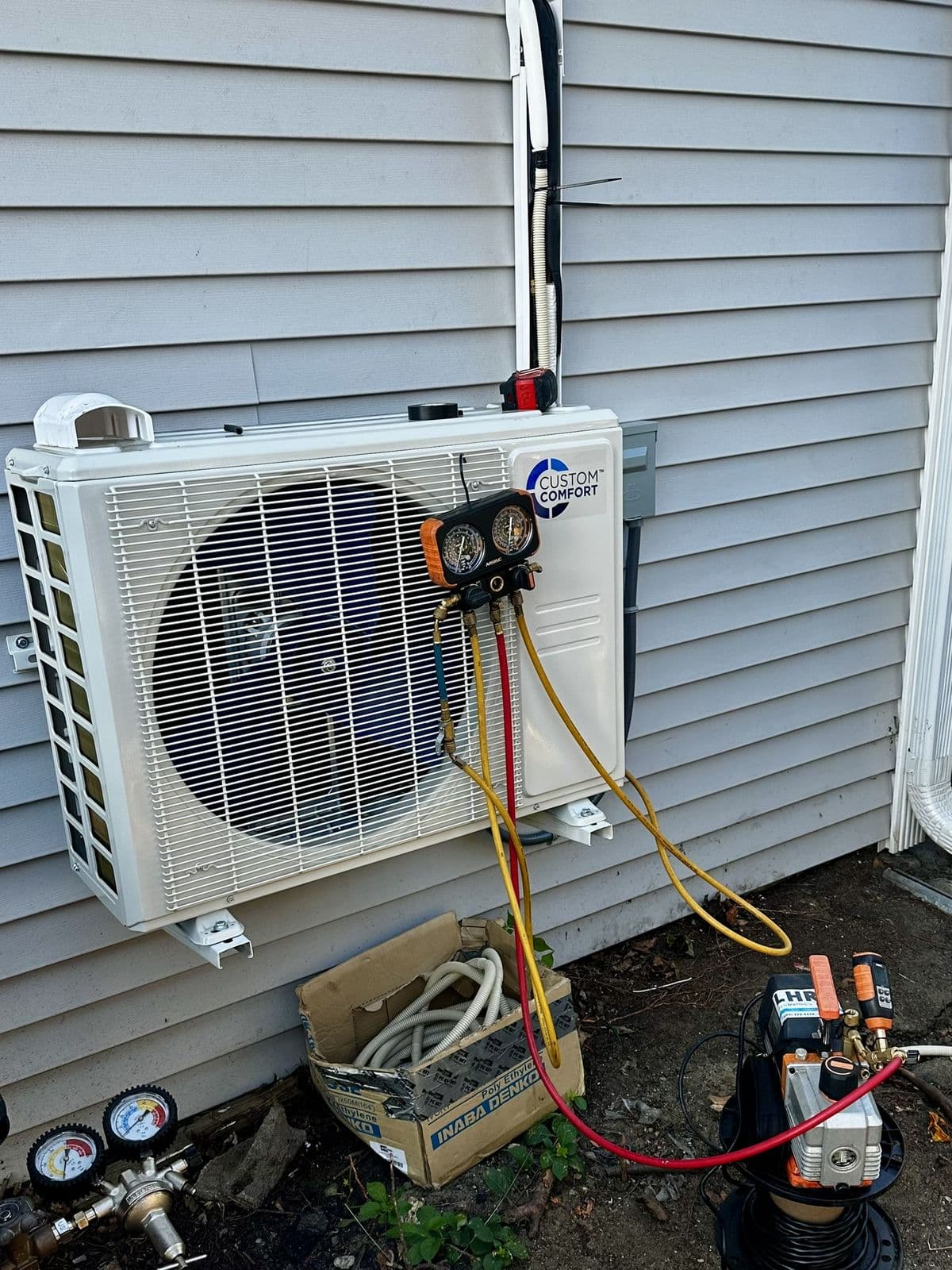
Most Jacksonville heat pump repairs run about $250 to $550, with major repairs running $1,200 to $2,800. A diagnostic service call is typically $69 to $89.
Heat pumps cost slightly more to repair than a plain AC because of extra parts, such as the reversing valve and defrost control. See our heat pump repair pricing guide.
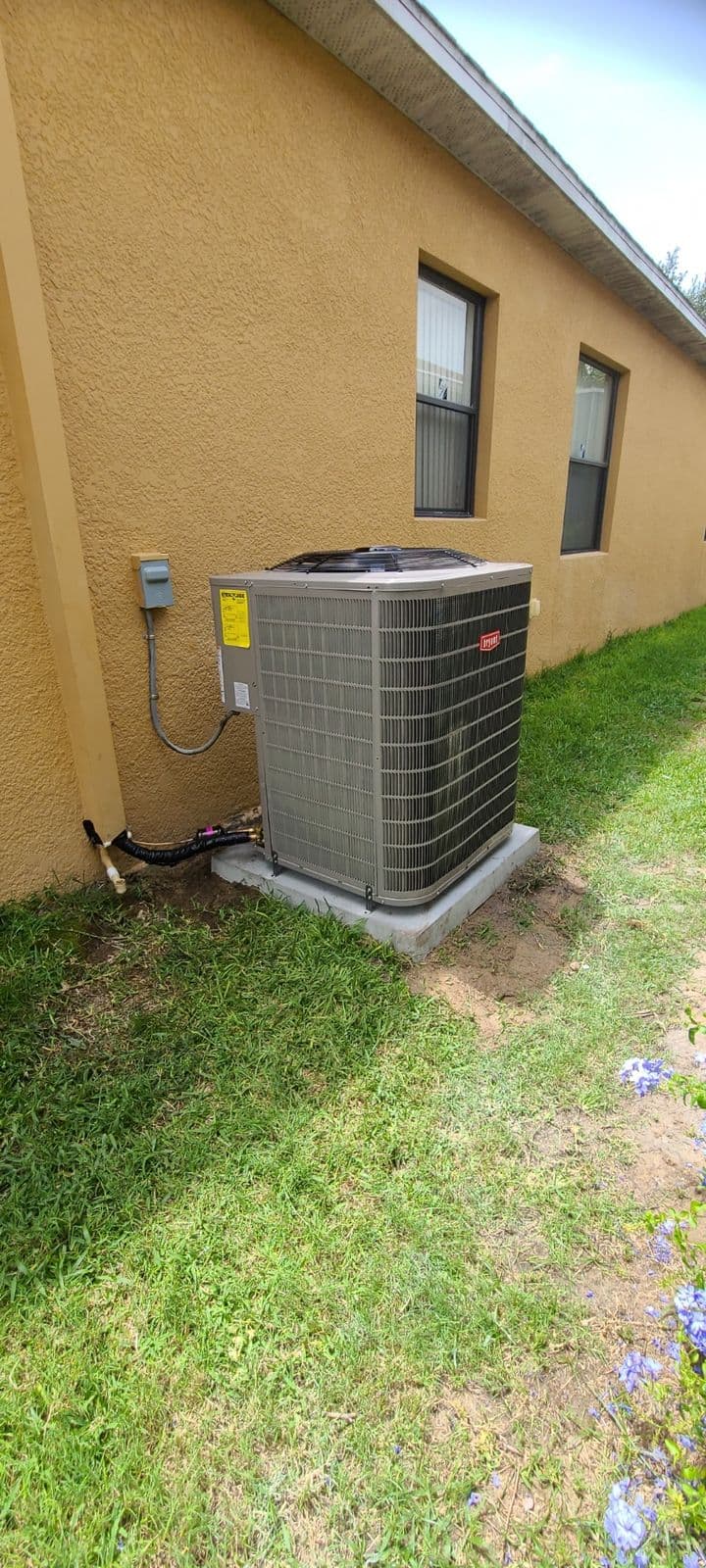
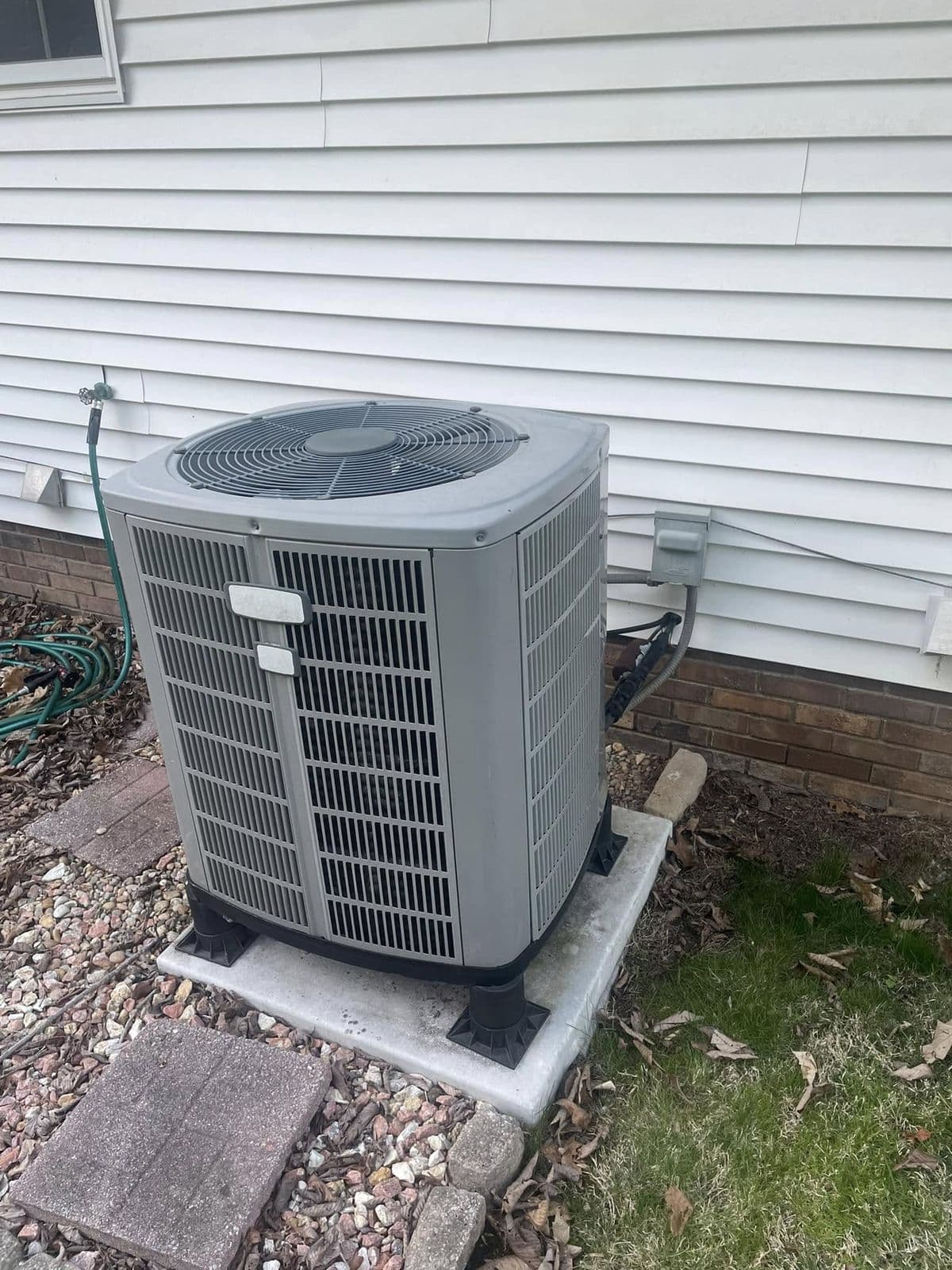
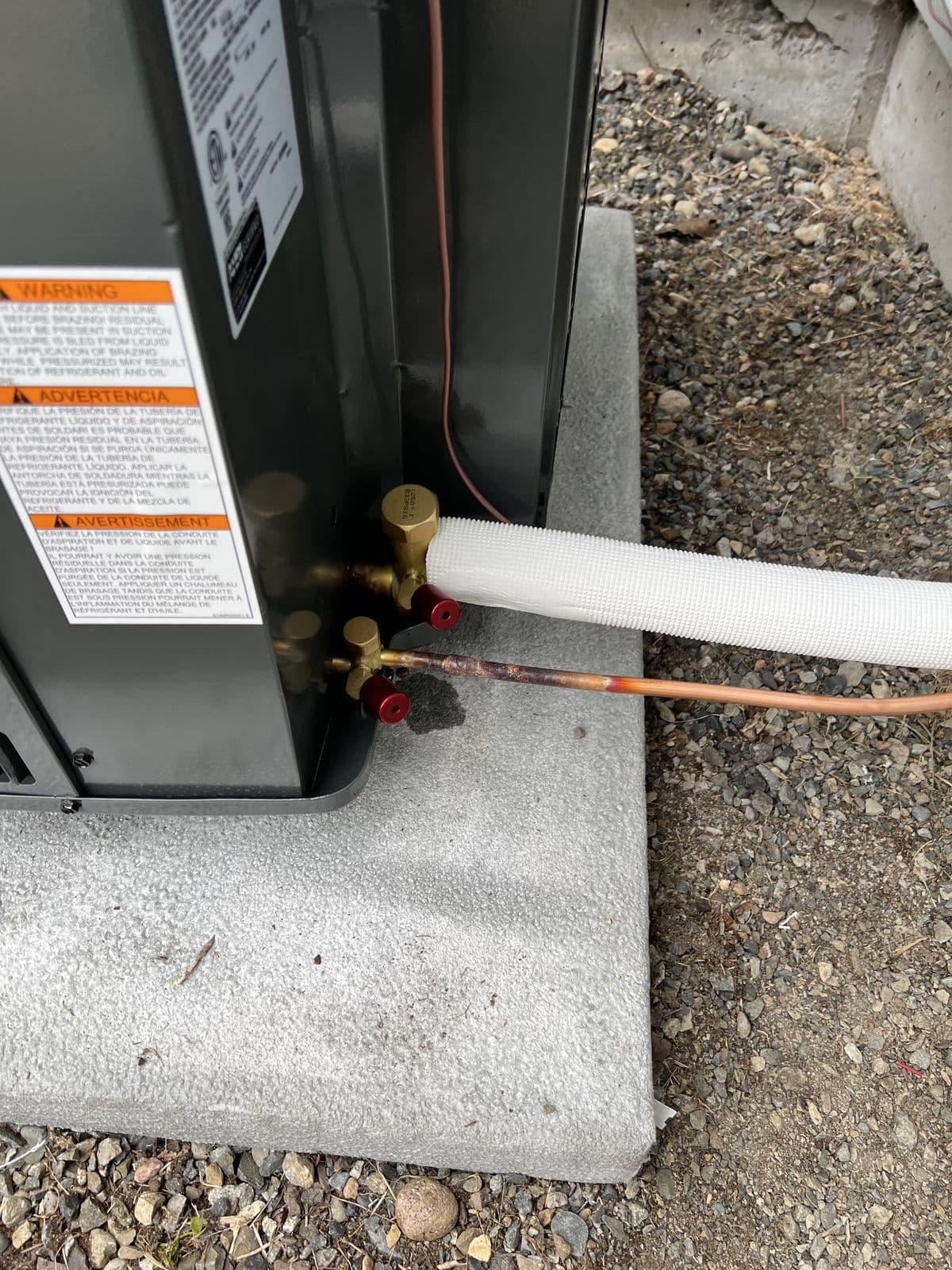
A heat pump moves heat. In summer it takes heat out of your home and sends it outside, like an air conditioner.
In winter a reversing valve flips the direction, so the system draws heat from the outdoor air and delivers it inside. Electric heat strips in the indoor unit add heat when the air outside is too cold for the heat pump to keep up.
In Jacksonville that matters more than in Central Florida, because freezing nights happen most winters. When temperatures drop, the heat strips run, and if they have failed, you find out on the coldest morning.
Salt in the air attacks outdoor coils and connections. A heat pump near the beaches or the river can fail earlier than an inland one.
Heat pumps in Florida cycle many hours a year, and the valve and defrost parts wear. Signs are cool air in heating mode or ice that stays on the outdoor unit.
Strips can burn out in spring and go unnoticed until winter. We test them on fall checkups.
Humidity clogs the drain, and storms damage capacitors and boards.
A stuck reversing valve, low refrigerant, a defrost problem or failed heat strips. Check that the thermostat is set to heat first.
A failed capacitor or contactor, a dirty or corroded coil, a leak or a blower problem.
A defrost control or sensor problem, or restricted airflow. Turn it off and call.
Usually a clogged condensate drain. Turn the system off and call.
Often a failed capacitor. Do not keep forcing it to start.
The system is working harder than it should, often from low refrigerant, dirty coils or heat strips running too much.
| Repair | Typical cost |
|---|---|
| Service call (Jacksonville) | $69 to $89 |
| Average common repair (Jacksonville) | $250 to $550 |
| Average major repair (Jacksonville) | $1,200 to $2,800 |
| Capacitor replacement | $180 to $380 |
| Contactor replacement | $180 to $420 |
| Defrost control board | $320 to $750 |
| Reversing valve replacement | $750 to $1,800 |
| Electric auxiliary heat strip | $350 to $850 |
| Blower motor replacement | $480 to $1,050 |
| Condenser fan motor | $420 to $850 |
| Refrigerant leak detection and repair | $450 to $1,800 |
| Compressor replacement | $1,700 to $3,400 |
When the forecast shows a freeze, a few steps help your heat pump and your bill.
Make sure the filter is clean, the outdoor unit is clear of leaves and the thermostat is set to heat. Do not turn the thermostat way up all at once, since that triggers the electric strips and a surge in power use.
Set a steady temperature and leave it. If you see a thin film of frost on the outdoor unit, that is normal and the defrost cycle handles it.
Ice that builds thick and stays is not normal. Open cabinets under sinks on exterior walls if pipes are at risk.
Switch the thermostat to emergency heat only if the system has that setting and the problem is the outdoor unit. Emergency heat runs the electric strips alone and costs more to run, so use it as a bridge until we arrive.
Call us right away, and tell us what the thermostat shows.
On the coldest mornings, the heat pump alone cannot keep up, so electric strips add heat. They are efficient at nothing except being reliable, and they use a lot of electricity.
That is why a cold week can raise a bill sharply. A few extra dollars a day on a freezing week is normal.
A bill that jumps for weeks without a cold spell suggests the strips are running too much, which can mean a heat pump problem. A technician can check whether the outdoor unit is delivering heat the way it should.
We weigh these together:
A young system with an isolated problem is usually worth repairing. If you decide to replace, JEA lists a $200 rebate for ENERGY STAR certified heat pumps.
Once a year, in October or November, switch the thermostat to heat on a cool morning and let the system run for ten to fifteen minutes. Check that warm air comes out and the outdoor fan runs.
A brief dusty smell when the heat strips first warm up is normal. If the air stays cool or nothing happens, call us then, not on the first freezing night.
You can change the filter and keep the outdoor unit clear of plants and debris. Do not open refrigerant lines, replace capacitors or bypass safety controls.
Refrigerant work needs federal certification, and capacitors hold a charge even with the power off.
We serve homes across Jacksonville and Northeast Florida, including Riverside, Avondale, Ortega, San Marco, Mandarin, Deerwood, Jacksonville Beach, Atlantic Beach, Neptune Beach, Ponte Vedra Beach and Nocatee.
Our office is at 225 Water St #1650, Jacksonville, FL 32202. See HVAC in Jacksonville.
We repair and install all major brands. Each brand page lists the models we install, the problems we see most and what the warranty typically covers. See how we match a technician to your brand.
Most repairs run about $250 to $550. Major repairs run $1,200 to $2,800. The diagnostic call is typically $69 to $89.
Check that the thermostat is set to heat. If it is, a stuck reversing valve, low refrigerant, a defrost issue or failed heat strips could be the cause. Call us.
Jacksonville has a few freezing nights most winters. A heat pump handles most days, and electric heat strips cover the coldest mornings.
Often 10 to 15 years. Salt air near the coast can shorten that, and yearly service helps.
Electric heat strips that add warmth when the heat pump alone cannot keep up. If they run constantly, bills climb and something may be wrong.
Yes, 24/7.
Yes. See brands we service.
Call any hour for emergency service, or reach us during business hours for a visit or a quote.